The data behind every Dale vs. Ol' Notch episode and every episode of Sunday Masterclass: Whitetails. What each study found, how big it was, and where it falls short. When it's my own tactic, it says MY READ.
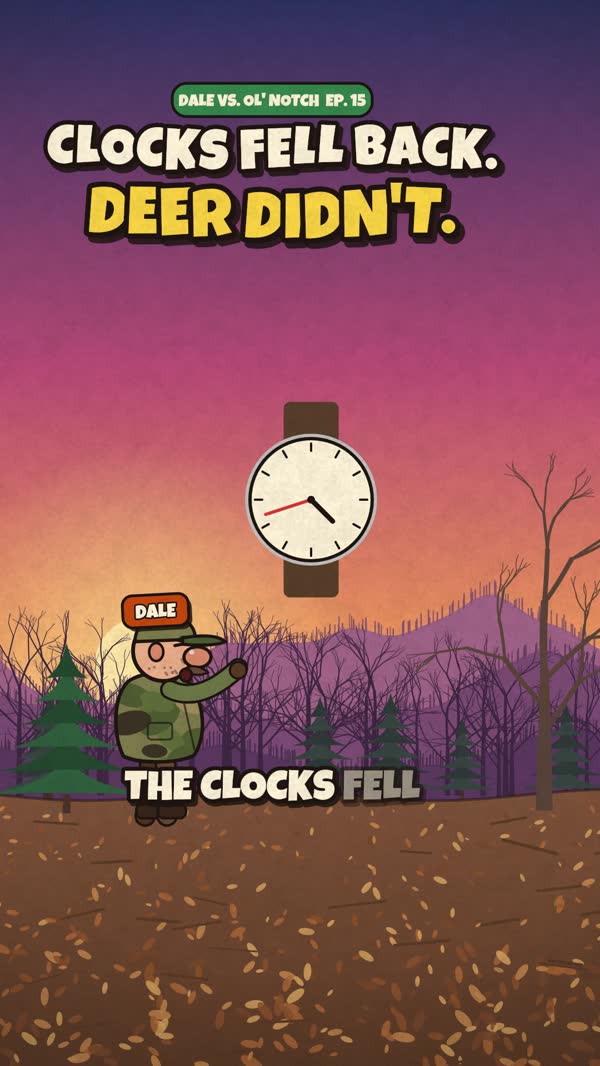
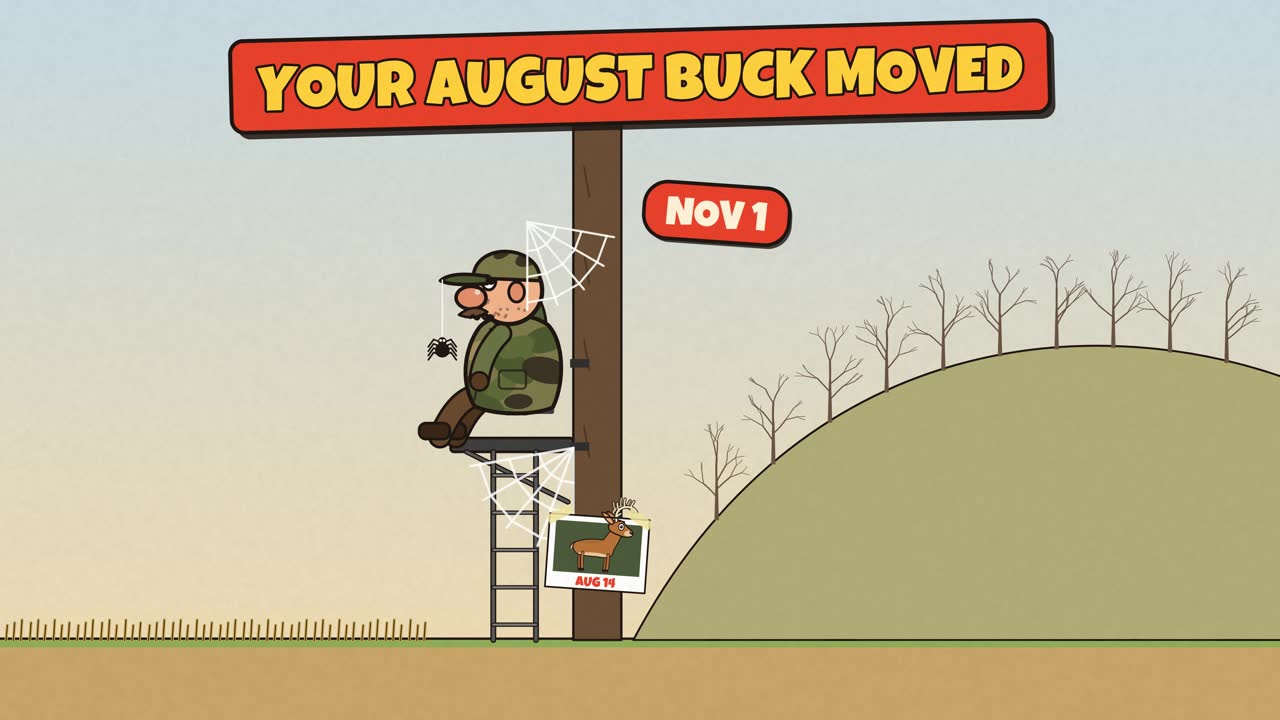
The sun doesn't move, your clock does. In PA and NY, deer hunting hours are tied to sunrise and sunset, so after the clocks fall back, quitting time on your watch comes about an hour earlier. And a study of 1,012,465 deer crashes found they jump 16% the week after the clocks fall back.

In the rut most bucks don't leave the country. They work two or three spots over and over, tied to where the does are, and some take short trips. The peak is a window that changes by state, not one date. Hunt close to the doe bedding, with a stand built for each wind.

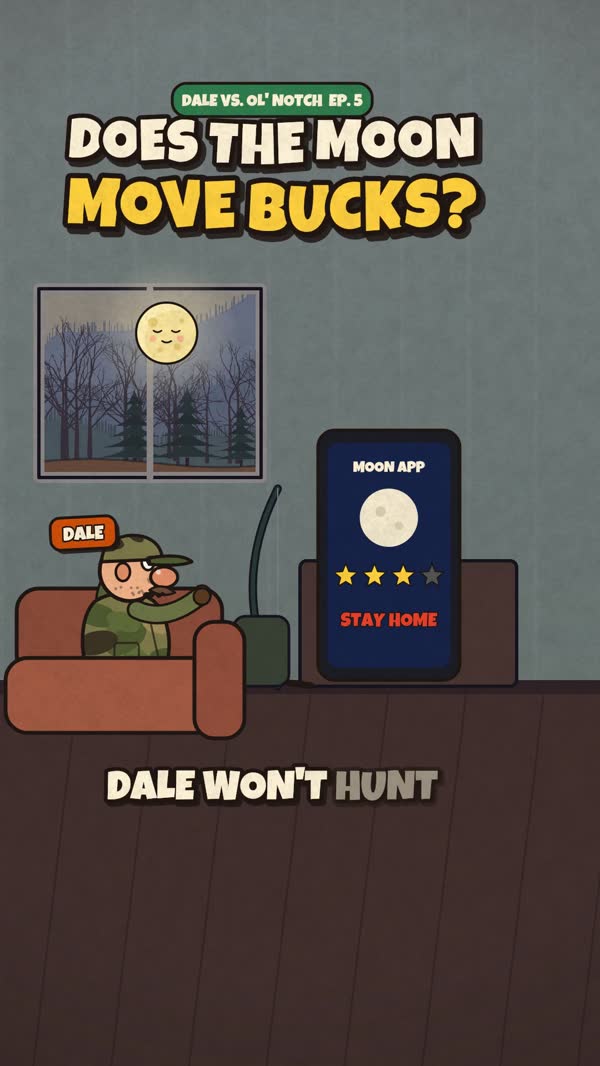
Not in the data I found. Pennsylvania's doe data found no relationship between the rut and the moon. About 50 GPS bucks in Mississippi didn't shift when they moved once hunting started, and Mississippi State says a buck may use 10 or more bedding areas in a month.

In a four-year Texas study, loud rattling pulled in nearly three times as many bucks as quiet rattling, and rattling 1 minute or 3 minutes at a time made no difference. Most bucks came in the first 10 minutes, and 60% were first seen downwind. That's one Texas refuge, so your woods may differ.

Does live in family groups that hold the same ground. In West Virginia, does in the same group were about as related as first cousins, and in Minnesota one doe family used the same ranges for 20 years. Maryland researchers think most buck trips outside their range had to do with breeding.

A Penn State deer researcher says the rule of thumb that a buck's home range is one square mile is most often wrong. In his Pennsylvania data, an average buck used about half a square mile in fragmented Gettysburg and about two in the big woods. One collared buck covered 85 miles in 24 days of the rut.

In the rut, a lot of bucks leave home for a few hours and come back, so a new buck on your camera may be one of them. But in one Mississippi study about a third of bucks kept two separate home ranges and stayed in each for weeks. Some "new" bucks are passing through, and some are seasonal neighbors.

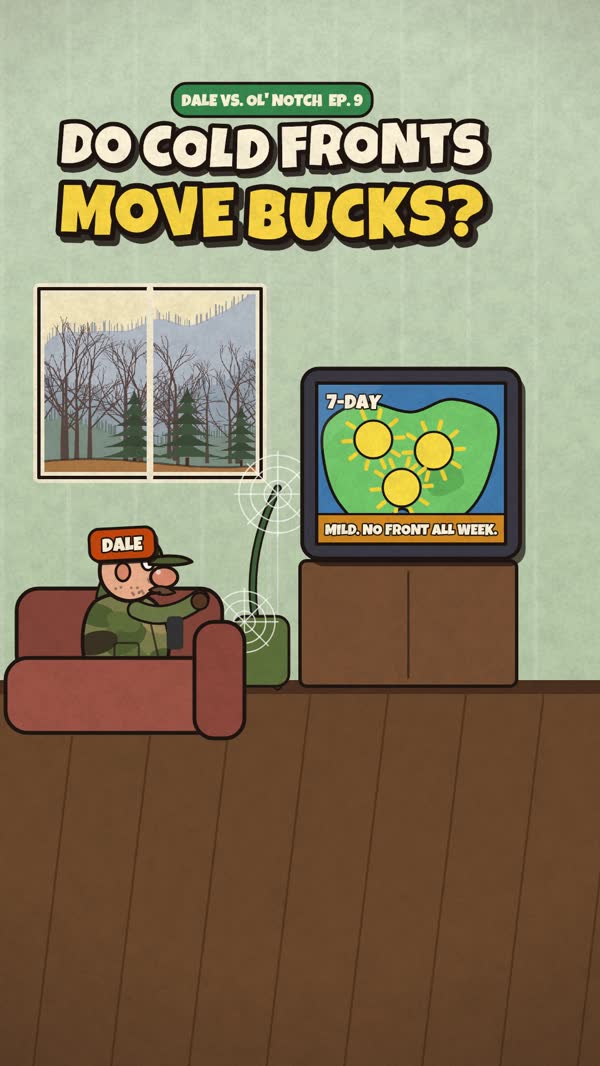
Not much that the data can show. In Oklahoma, weather trends showed up in only 8 of 80 movement models, and in Pennsylvania rut movement had no relationship with daily highs and lows. When Penn State checked one cold front, the researcher said they'd likely need a lot more data to tease out any effect.

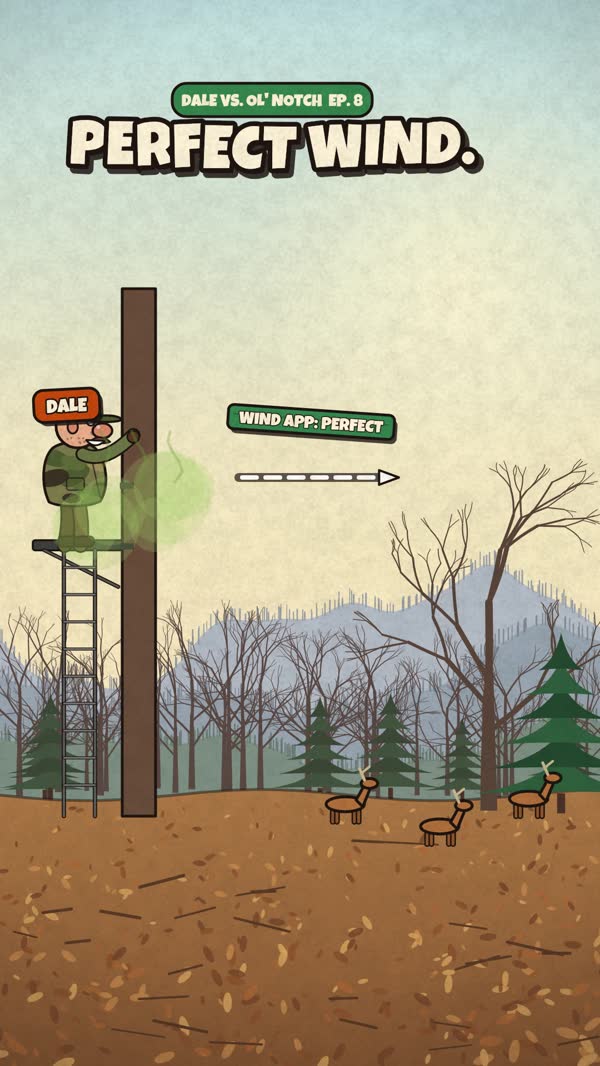
Fire weather guides say air starts drifting uphill within a few minutes of the sun hitting a slope, and slides downhill, slow and shallow, once the slope goes into shadow. East-facing slopes switch uphill first, and a strong wind can override all of it. No deer study I found tested how deer use thermals.

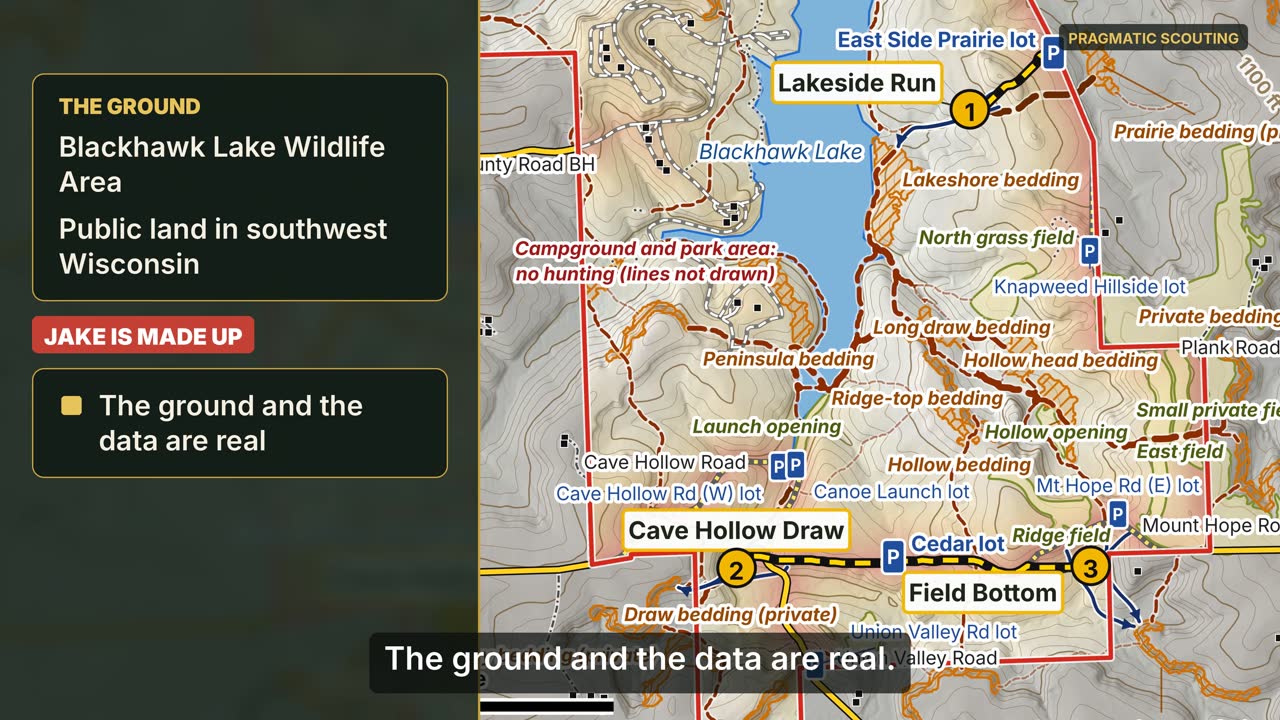
Your first sits on a fresh spot are likely your best, so read the whole map before you hang anything. Then check the rules, build a stand for each wind, plan your days around stand rest, and know your wait times after the shot. The example is real public land in southwest Wisconsin with a made-up hunter, built from maps and public data.

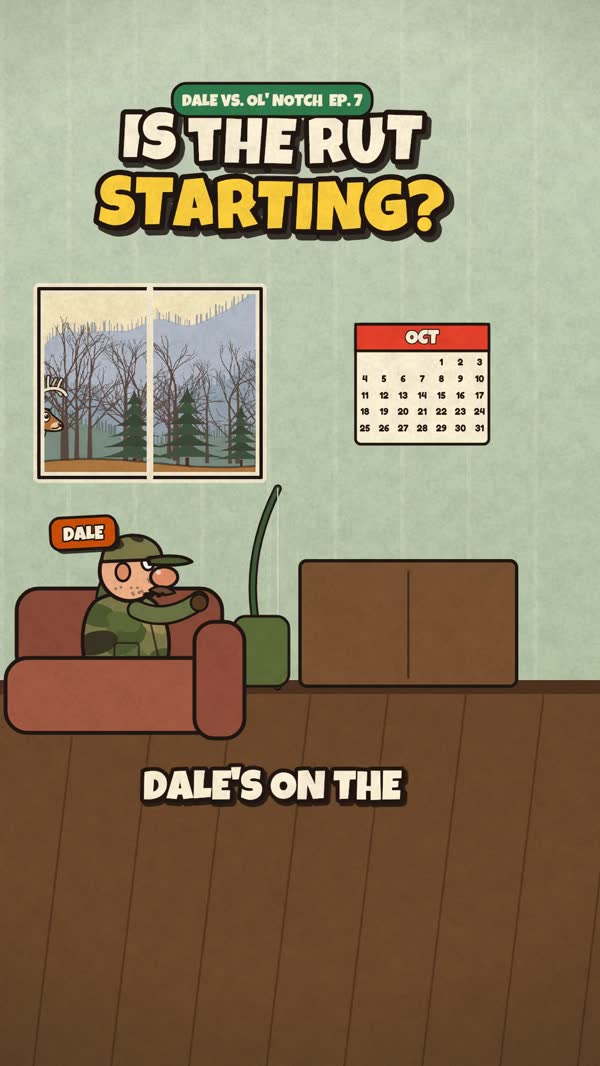
In the Wisconsin and Pennsylvania data, it starts around the last week of October. In southwest Wisconsin, peak breeding started between October 23 and 27, and in Pennsylvania only about 20% of does were bred by the last week of October before it took off in November. Rut timing varies by latitude, so your area may run different.

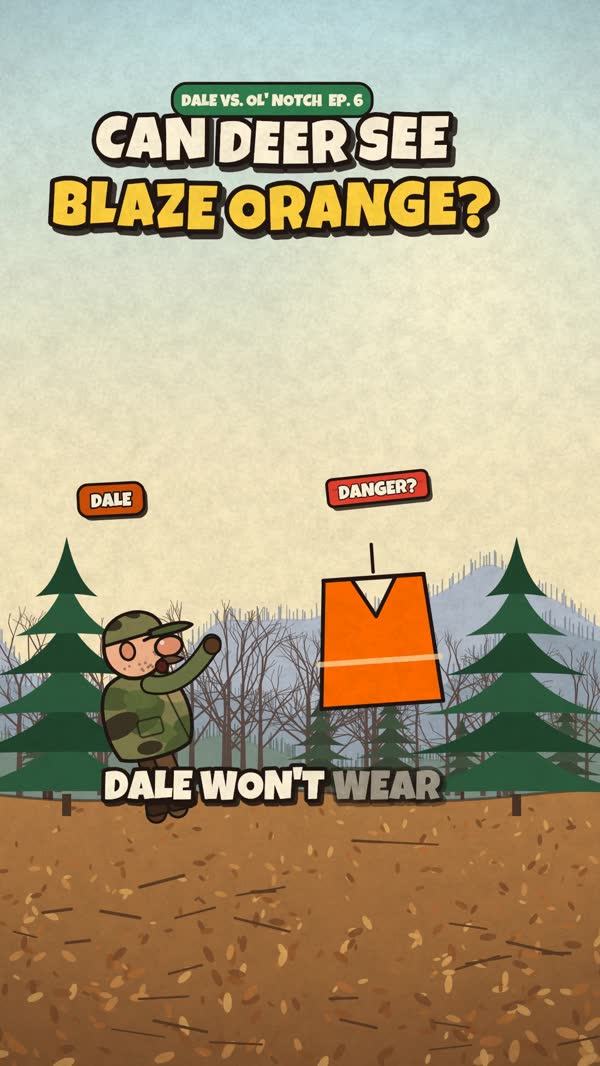
Deer have two kinds of color cones and are less sensitive to long wavelengths like orange and red. Less sensitive doesn't mean they can't see it, and these studies didn't test blaze orange itself. The number that matters most: in New York from 1989 to 1995, 94% of hunters shot after being mistaken for game weren't wearing orange.

Not much. In Mississippi, 48 GPS-collared bucks were no more or less active on a full moon, a new moon or anything in between. In South Carolina, a solunar chart's day ratings weren't an effective predictor of 38 bucks' activity, and their most active time was around sunset.

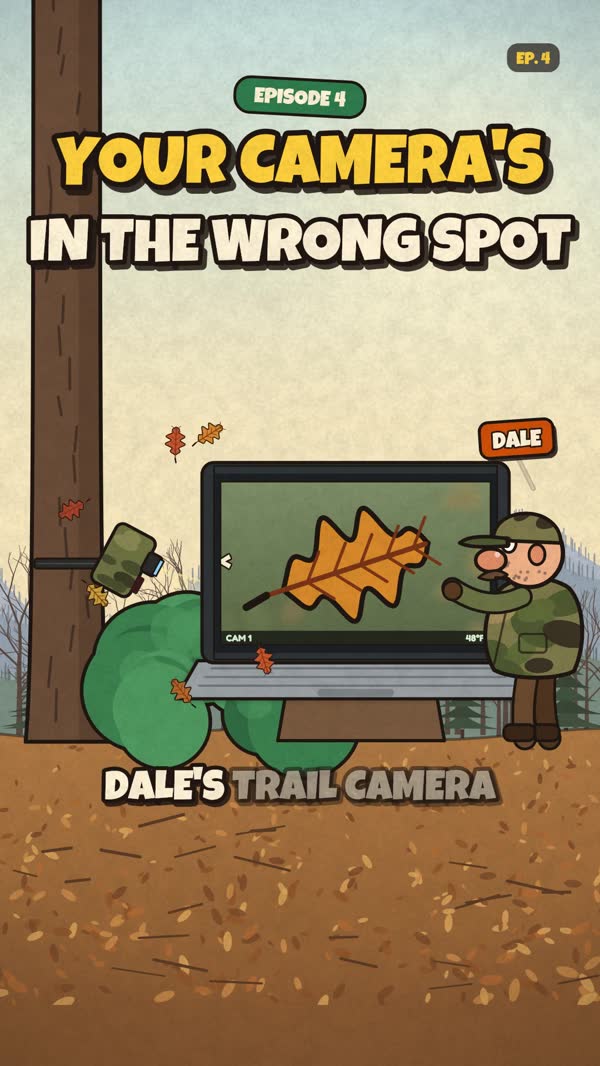
In Virginia, cameras on game trails detected deer more than cameras at nearby random spots, most on the big worn trails, and fewer where the brush was thick. In field trials, the lowest cameras tested, just under 3 feet and aimed level, caught the most. Bait pulled 40 to 50 times more pictures of antlered bucks in Georgia, but it shows where bucks come to eat, not how they travel.

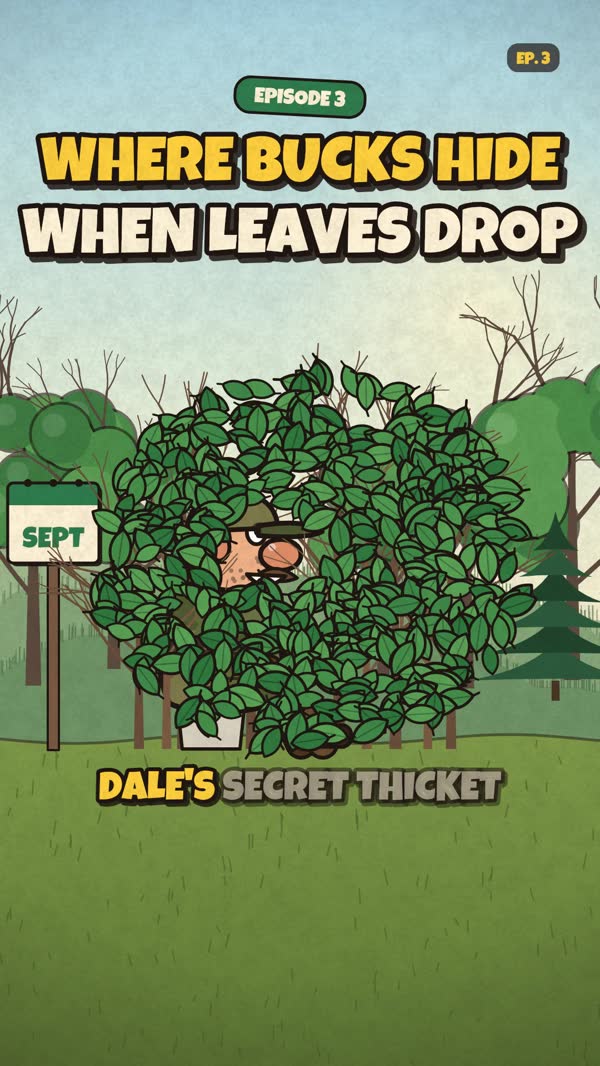
When hunters are around, bucks lean on cover. In Oklahoma, bucks facing the most hunters used forest cover about 1.7 times more in daylight, and in a small Florida study hunted deer left open ground for swamps and mature pine, away from roads. Neither study looked at leaf drop, so what counts as cover on your ground is up to you to find.

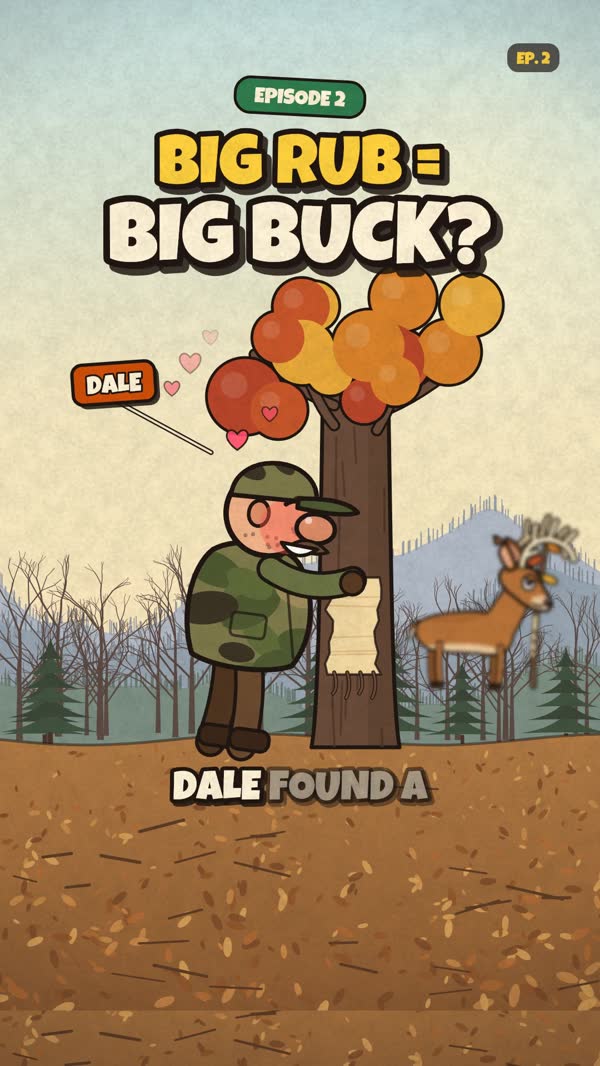
I couldn't find a study showing that a big rub means a big buck. In Maine, 103 rubbed trees averaged less than an inch across, and the closest study I found, 9 big rubs on camera in South Carolina, had one rub worked by at least 13 different bucks. Bucks rub with their forehead too, which leaves scent on the tree.

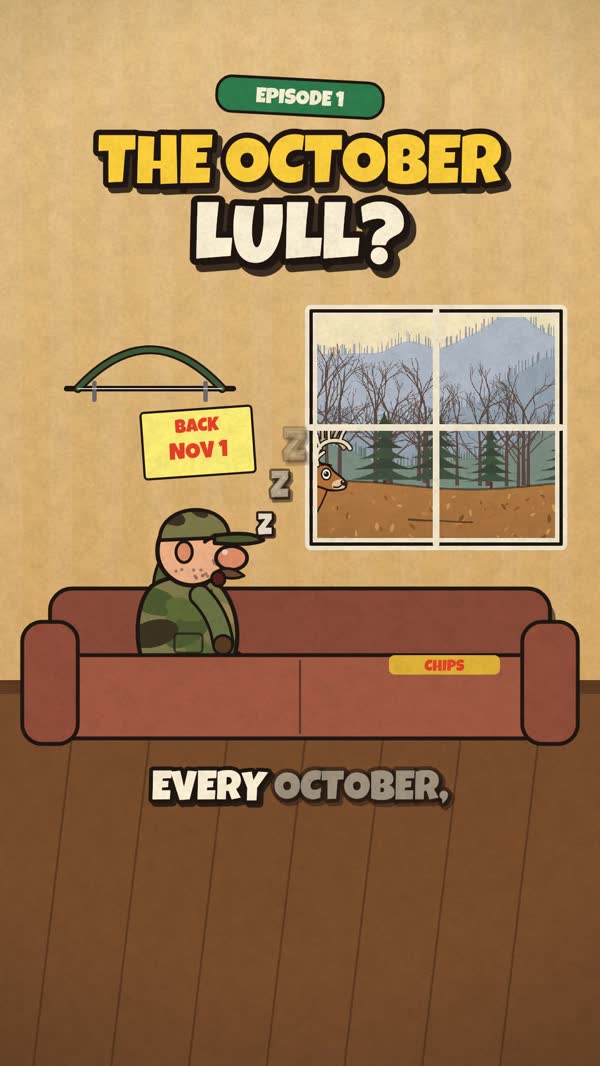
The best data I could find doesn't show a lull. Penn State saw no real drop in buck movement in early October, and 188 GPS bucks in Wisconsin moved more from mid-October to a peak in early November. Neither study settles it everywhere, so read this as "no lull seen," not "no lull exists."
DM me PLAN on Instagram @pragmaticscouting, or use the link to book your own plan.